“I Didn't Think I Had a Health Problem”
At 45, Daniel considered himself reasonably healthy.
He had a stable career, rarely took sick leave and managed to keep up with the demands of a busy corporate role. Like many professionals, most of his day was spent sitting in meetings, working on a computer or travelling between appointments.
Exercise was always something he planned to do "when things became less busy."
Unfortunately, that day never came.
Everything changed during a routine health screening.
A Wake-Up Call
The results were not what Daniel expected.
His blood pressure was higher than normal. His weight had gradually increased over the years, and his doctor warned that he was moving towards a higher risk category for chronic conditions such as hypertension and Type 2 diabetes.
"I was shocked because I didn't feel sick at all."
Like many adults, Daniel discovered that health problems can develop quietly without obvious symptoms.
His doctor advised him to become more physically active and suggested starting with something simple:
Walk every day.
Starting Small
Daniel did not join a gym.
He did not buy expensive fitness equipment.
Instead, he committed to one goal:
Walk for 15 minutes every evening after dinner.
At first, it felt insignificant.
"I honestly thought 15 minutes wouldn't make any difference."
But he kept going.
After a few weeks, 15 minutes became 20.
Twenty minutes became 30.
Eventually, walking became part of his daily routine.
Unexpected Benefits
Within a few months, Daniel began noticing changes.
More Energy
Previously, he often felt tired by mid-afternoon.
Regular walking helped him feel more energised throughout the day.
Better Sleep
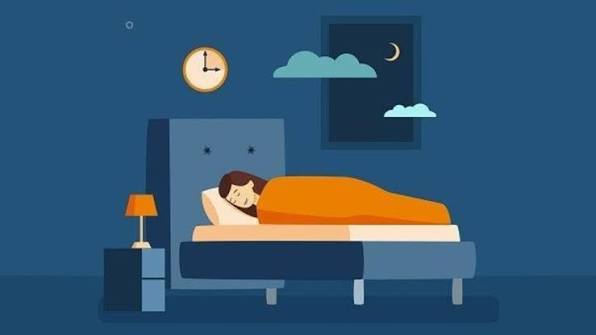
He found it easier to fall asleep at night and woke up feeling more refreshed in the morning.
Improved Mood
The daily walk became a chance to disconnect from emails, deadlines and work-related stress.
"That half hour became my time to clear my head."
Small Changes Lead to Bigger Results
As walking became a habit, other changes followed naturally.
Daniel began drinking fewer sugary beverages.
He chose the stairs more often.
He became more aware of his daily activity levels.
Importantly, he did not attempt an extreme lifestyle overhaul.
Instead, he focused on sustainable changes that he could maintain over time.
The Results After One Year
Twelve months later, Daniel returned for another health review.
The improvements were encouraging:
✅ Lower blood pressure
✅ Reduced body weight
✅ Better stamina
✅ Improved sleep quality
✅ Increased daily activity
While walking alone was not responsible for every change, it became the catalyst that helped him adopt healthier habits.
Why Walking Works
Health experts often recommend walking because it is:
- Low impact
- Accessible
- Affordable
- Suitable for most fitness levels
Unlike intense fitness programmes that can feel overwhelming, walking is an activity that many people can realistically maintain over the long term.
Consistency often delivers better results than short bursts of extreme effort.
Lessons From Daniel's Story
Daniel believes his biggest mistake was assuming that health improvements required dramatic action.
"I spent years thinking I needed a perfect fitness plan. In reality, I just needed to start moving."
His story highlights an important point:
You do not need to be an athlete to improve your health.
You do not need expensive equipment.
You do not need to wait until life becomes less busy.
Sometimes, meaningful change begins with a simple daily walk.
The Bottom Line
Many people delay exercise because they believe they need more time, more motivation or better circumstances.
Daniel's experience suggests otherwise.
The journey towards better health often starts with one small decision repeated consistently.
For him, it was a daily walk.
For someone else, it might be the first walk they take today.
References
- World Health Organization (WHO) - Physical Activity Guidelines and Health Benefits of Regular Exercise.
- Centers for Disease Control and Prevention (CDC) - Physical Activity Benefits and Chronic Disease Prevention.
- National Heart, Lung, and Blood Institute (NHLBI) - Healthy Lifestyle and Cardiovascular Health Resources.