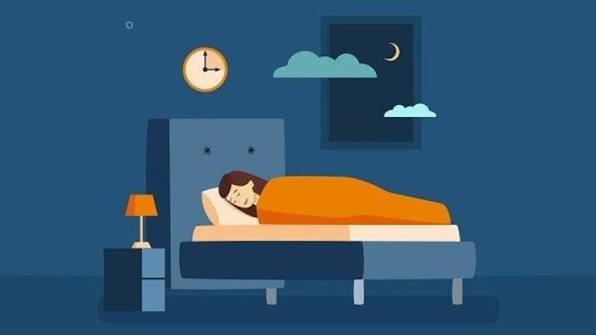
“Sleep Was the First Thing I Sacrificed”
For years, Jason believed that sleeping less was part of being successful.
As a senior manager in a fast-growing company, his days started early and often ended long after midnight. Emails continued at home, meetings stretched into the evening and weekends were rarely free.
On most nights, he slept only four to five hours.
“I thought I was being productive. Sleep felt like something I could always catch up on later.”
At first, there did not seem to be a problem.
He still showed up for work.
He still met deadlines.
He still managed to get things done.
But slowly, the effects began to appear.
The Signs He Ignored
Jason started relying on coffee to get through the day.
One cup became two.
Two became four.
By late afternoon, he often felt drained.
Meetings required more concentration.
Simple decisions took longer.
At home, he found himself becoming more impatient and easily irritated.
“I wasn't sick, but I didn't feel like myself anymore.”
Like many busy professionals, he blamed stress, workload and age.
Sleep never crossed his mind.
A Routine Health Check Changed Everything
During an annual health screening, Jason mentioned his constant fatigue to his doctor.
After discussing his lifestyle and sleep habits, the advice was straightforward:
Prioritise sleep.
Not next month.
Not after the next project.
Now.
The goal was simple: work towards getting at least seven hours of sleep most nights.
It Was Harder Than Expected
Jason quickly realised that sleeping more was not as easy as going to bed earlier.
His habits had been built over years.
He often scrolled through his phone before bed.
He answered emails late at night.
His mind was constantly active.
To improve his sleep, he made several small changes:
- Stopped checking work emails after 10 p.m.
- Put his phone away before bed
- Set a consistent bedtime
- Reduced evening caffeine
- Made his bedroom cooler and darker
None of the changes felt dramatic.
But together, they made a difference.
The First Change: More Energy
Within a few weeks, Jason noticed something unexpected.
He no longer felt exhausted every morning.
The urge to reach for coffee immediately after waking up gradually disappeared.
Instead of feeling as though he was dragging himself through the day, he had more consistent energy.
Better Focus at Work
The biggest improvement came at the office.
Tasks that previously felt mentally exhausting became easier to manage.
He could focus longer during meetings.
He made decisions more quickly.
He was less likely to forget details or lose track of conversations.
Ironically, despite spending more time sleeping, he felt more productive.
“I thought sleeping less gave me more time. In reality, it made me less efficient.”
Improvements Beyond Work
The benefits were not limited to his job.
Jason's mood improved.
He became more patient with his family.
He started exercising again because he finally had the energy to do so.
Even small aches and headaches became less frequent.
The changes were gradual, but noticeable.
What He Learned
Looking back, Jason believes his biggest mistake was treating sleep as optional.
Like many adults, he focused on work, diet and exercise while ignoring one of the most important pillars of health.
“I spent years trying to find ways to be more productive. The solution was something as simple as getting enough sleep.”
The Bottom Line
Many people wear sleep deprivation like a badge of honour.
Late nights and early mornings are often seen as signs of dedication and hard work.
But Jason's experience tells a different story.
Sometimes, becoming healthier, happier and more productive does not require a complicated plan.
Sometimes it starts with something far simpler:
Going to bed on time.
References
- Centers for Disease Control and Prevention (CDC) – Sleep Health and Recommended Sleep Duration for Adults.
- National Heart, Lung, and Blood Institute (NHLBI) – Why Sleep Is Important.
- World Health Organization (WHO) – Healthy Living and Wellbeing Resources.
- American Academy of Sleep Medicine (AASM) – Recommended Sleep Duration for Adults.