Walking: The Exercise Almost Everyone Can Do
When people think about getting fit, they often picture gym memberships, expensive equipment or intense workout programmes.
As a result, many assume that walking is too simple to make a real difference.
But health experts say otherwise.
In fact, walking remains one of the most accessible and effective forms of physical activity. It requires no special equipment, can be done almost anywhere and is suitable for people of different ages and fitness levels.
For many adults, especially those with busy schedules, a daily walk may be one of the easiest ways to become more active.
Is 30 Minutes Really Enough?
The short answer is yes.
According to the World Health Organization (WHO), adults should aim for at least 150 minutes of moderate-intensity physical activity each week. This works out to about 30 minutes a day on most days of the week.
Brisk walking falls within the moderate-intensity category and can contribute significantly towards these recommendations.
The key is consistency.
Walking for 30 minutes once a week is unlikely to make a major difference. But making it part of a daily routine can provide meaningful health benefits over time.
Better Heart Health
Heart disease remains one of the leading health concerns worldwide.
Regular walking helps improve cardiovascular fitness by encouraging better blood circulation and helping the heart work more efficiently.
Research shows that physically active individuals generally have lower risks of heart disease, high blood pressure and stroke compared with those who are inactive.
Even a moderate daily walk can contribute to healthier blood pressure levels and better overall cardiovascular health.
Supporting Weight Management
Many people start exercising because they want to lose weight.
While walking alone may not produce dramatic weight loss overnight, it plays an important role in long-term weight management.
Walking burns calories, supports metabolism and helps individuals maintain an active lifestyle.
Combined with healthy eating habits, regular walking can contribute to gradual and sustainable weight control.
Reducing the Risk of Type 2 Diabetes
Physical activity helps the body use insulin more effectively.
This is important because insulin resistance is a key factor in the development of Type 2 diabetes.
Health experts recommend regular exercise, including walking, as part of a healthy lifestyle approach to reduce diabetes risk and improve glucose control.
For individuals with prediabetes, becoming more physically active may help delay or prevent the progression to diabetes.
Walking Can Improve Mental Wellbeing Too
The benefits of walking are not limited to physical health.
Many people report feeling calmer and more refreshed after a walk.
Regular physical activity is associated with reduced stress, improved mood and better emotional wellbeing.
For office workers who spend long hours sitting at a desk, a short walk during lunch or after work can provide a valuable mental reset.
Do You Need 10,000 Steps a Day?
The famous "10,000 steps" target is widely known, but experts emphasise that any increase in activity is beneficial.
Someone who currently takes very few steps each day can still gain health benefits by gradually becoming more active.
Rather than focusing solely on a specific number, it may be more helpful to build a sustainable walking habit.
Consistency matters more than perfection.
Simple Ways to Get Started
If you are not currently active, start small.
Try:
✅ Walking during your lunch break
✅ Parking slightly further from your destination
✅ Taking the stairs when possible
✅ Going for an evening walk with family
✅ Walking while talking on the phone
Small changes can add up over time.
The Bottom Line
Many people believe they need intense workouts to improve their health.
In reality, something as simple as a daily 30-minute walk can have meaningful benefits for the heart, metabolism, mental wellbeing and long-term health.
The best exercise is often not the most complicated one.
It is the one you can continue doing consistently.
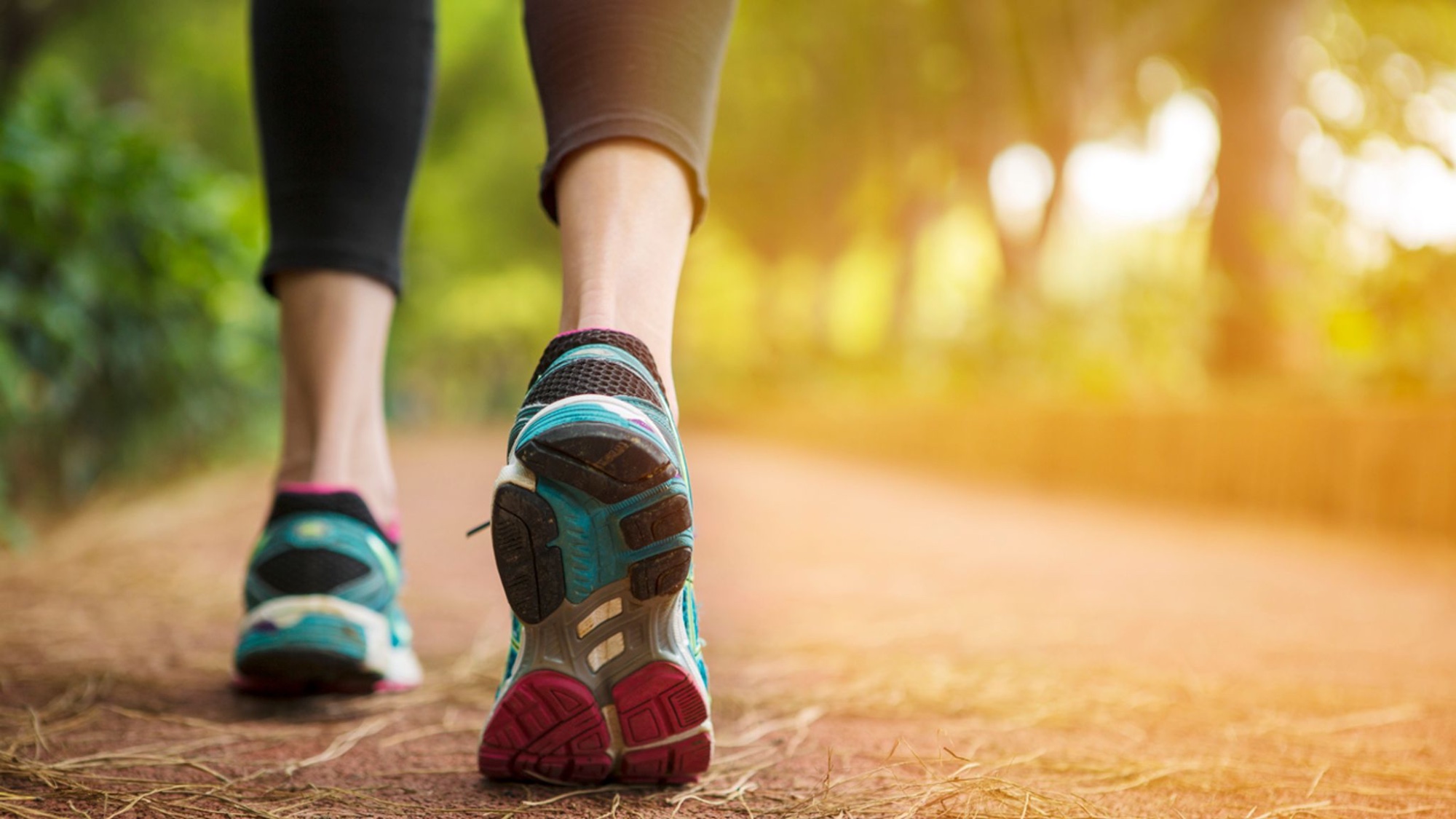
And for many people, that starts with putting on a pair of comfortable shoes and taking the first step.
References
- World Health Organization (WHO) Physical Activity Guidelines.
- Centers for Disease Control and Prevention (CDC) Physical Activity and Health Resources.
- National Heart, Lung, and Blood Institute (NHLBI) Healthy Lifestyle and Cardiovascular Health Resources.