Many People Worry About Belly Fat for the Wrong Reasons
For some people, belly fat is mainly a confidence issue.
Clothes feel tighter. Photos become less flattering. The waistband seems to shrink every year.
But doctors are often less concerned about how belly fat looks and more concerned about what it may be doing inside the body.
That's because not all body fat is the same.
The fat that sits deep inside the abdomen can have a bigger impact on health than many people realise.
FAQ 1: What Exactly Is Belly Fat?
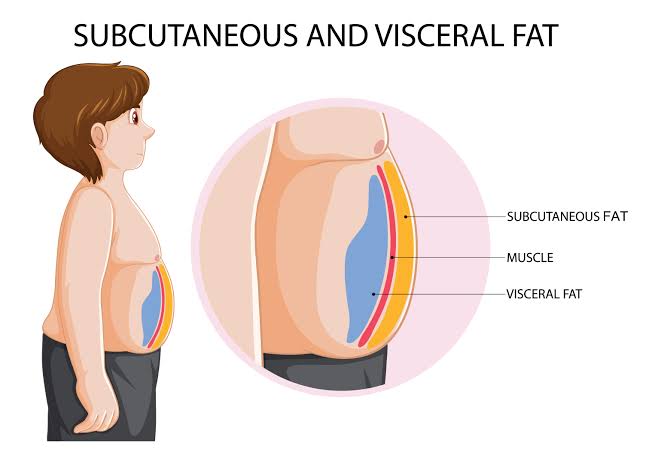
There are two main types of abdominal fat.
Subcutaneous fat sits just beneath the skin. This is the fat you can pinch with your fingers.
Visceral fat is different. It surrounds internal organs such as the liver, pancreas and intestines.
Visceral fat is the type that raises the greatest concern because it has been linked to a higher risk of several chronic diseases.
FAQ 2: Why Is Visceral Fat a Problem?
Visceral fat is not simply stored energy.
It is metabolically active, meaning it can release substances that affect how the body functions.
Over time, excess visceral fat may contribute to:
- Type 2 diabetes
- High blood pressure
- Heart disease
- Stroke
- Metabolic syndrome
This is why someone can appear only slightly overweight but still have significant health risks if excess fat is concentrated around the abdomen.
FAQ 3: Is Body Weight More Important Than Waist Size?
Not always.
Many health professionals now pay close attention to waist circumference because it can provide useful information about health risks.
Two people may weigh the same and have the same Body Mass Index (BMI), yet one may carry more fat around the abdomen.
That person could have a higher risk of metabolic diseases despite having a similar weight.
FAQ 4: How Do I Know If My Waist Size Is Too Large?
A simple tape measure can provide valuable information.
Generally, health experts consider abdominal obesity to be a concern when waist circumference exceeds:
- 90 cm for Asian men
- 80 cm for Asian women
If your waist measurement is above these levels, it may be worth discussing your risk factors with a healthcare professional.
FAQ 5: Can Sit-Ups Get Rid of Belly Fat?
This is one of the most common fitness myths.
Unfortunately, you cannot choose where your body loses fat.
Doing hundreds of sit-ups may strengthen the abdominal muscles, but it will not specifically burn fat from the stomach area.
Fat loss tends to occur throughout the body and usually requires:
- A healthy diet
- Regular physical activity
- Adequate sleep
- Long-term lifestyle changes
FAQ 6: Are Sugary Drinks Part of the Problem?
Often, yes.
Many people underestimate the calories in:
- Soft drinks
- Sweetened coffee
- Bubble tea
- Flavoured beverages
These drinks can add significant calories without making people feel full.
Reducing sugary drinks is frequently one of the simplest changes people can make to support weight management.
FAQ 7: Does Stress Affect Belly Fat?
Stress can play a role.
When people are under prolonged stress, they may sleep less, become less active or turn to comfort foods that are high in sugar and fat.
Over time, these habits can contribute to weight gain, particularly around the abdominal area.
FAQ 8: What Is the Best Way to Reduce Belly Fat?
There is no magic solution.
Most experts recommend:
✅ Regular physical activity
✅ Strength training
✅ A balanced diet
✅ Smaller portions
✅ Better sleep habits
✅ Managing stress
The goal should not be quick fixes but sustainable habits that can be maintained for years.
The Bottom Line
Belly fat is not just about appearance.
What happens around the waist can provide important clues about what is happening inside the body.
A growing waistline may be an early warning sign that deserves attention.
The good news is that even modest lifestyle changes can make a difference.
You do not need a perfect diet or an extreme workout plan.
Sometimes the biggest health improvements begin with small, consistent changes repeated every day.
References
- Ministry of Health Malaysia (MOH) – Clinical Practice Guidelines for Obesity Management.
- World Health Organization (WHO) – Obesity and Overweight Factsheets.
- International Diabetes Federation (IDF) – Central Obesity and Metabolic Risk.
- American Heart Association (AHA) – Abdominal Fat and Cardiovascular Disease.