"Maybe I'm Just Overthinking"
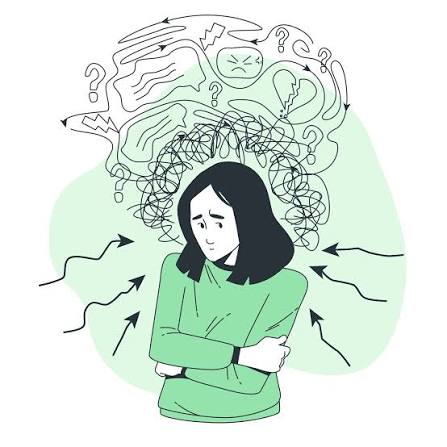
When Aina started feeling nervous before meetings, she thought it was normal.
When she struggled to sleep because her mind kept running through worst-case scenarios, she blamed work stress.
When her heart started racing before opening emails, she told herself she was simply overthinking.
For months, she assumed what she was experiencing was ordinary worry.
It wasn't until the symptoms began affecting her work and daily life that she realised something more might be happening.
Mental health professionals say this confusion is common. Many people find it difficult to distinguish between normal worry and anxiety.
FAQ 1: Is It Normal to Worry?
Yes.
Worry is a normal part of life.
Most people worry about:
- Money
- Work
- Family
- Health
- Major life decisions
In many situations, worry can even be helpful. It encourages people to prepare, solve problems and think ahead.
Usually, the concern fades once the situation improves or the problem is resolved.
FAQ 2: What Makes Anxiety Different?
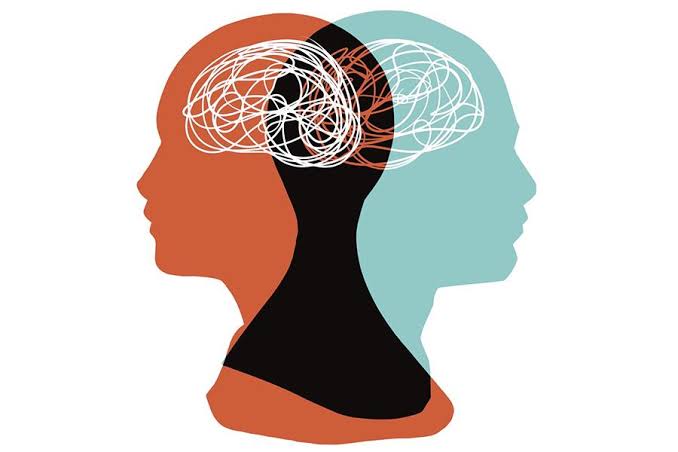
Anxiety is more than occasional worry.
The feeling is often stronger, lasts longer and may be difficult to control.
A person with anxiety may continue feeling worried even when there is no immediate threat or danger.
Instead of appearing only during stressful situations, anxiety can persist throughout the day and begin affecting daily activities.
FAQ 3: Can Anxiety Cause Physical Symptoms?
Yes, and this is something many people do not realise.
Anxiety is not just a mental experience.
It can affect the body as well.
Common symptoms include:
- Rapid heartbeat
- Sweating
- Shortness of breath
- Dizziness
- Trembling
- Headaches
- Muscle tension
- Upset stomach
Some people even visit emergency departments believing they are having heart problems when they are actually experiencing severe anxiety.
FAQ 4: How Do I Know If Anxiety Is Affecting My Life?
A useful question to ask is:
"Is this affecting how I live, work or function?"
You may need additional support if anxiety is causing you to:
- Avoid social situations
- Miss work or school
- Struggle with sleep
- Constantly seek reassurance
- Feel unable to focus
- Withdraw from normal activities
When anxiety begins interfering with everyday life, it should not be ignored.
FAQ 5: Why Are More People Talking About Anxiety?
Life today moves quickly.
Many people juggle demanding careers, financial responsibilities, family commitments and constant digital connectivity.
At the same time, social media can create pressure, comparison and information overload.
Mental health experts believe these factors may contribute to increased stress and anxiety for some individuals.
FAQ 6: Can Anxiety Be Managed?
In many cases, yes.
Some practical strategies include:
✅ Getting enough sleep
✅ Regular physical activity
✅ Limiting excessive caffeine
✅ Taking breaks from screens
✅ Practising relaxation techniques
✅ Talking to trusted family members or friends
These habits may help reduce stress and improve overall wellbeing.
FAQ 7: When Should I Seek Professional Help?
Consider speaking to a healthcare professional if:
- Symptoms persist for several weeks
- Anxiety is affecting work or relationships
- Sleep problems become severe
- Physical symptoms are becoming more frequent
- You feel unable to cope with everyday demands
Seeking help early often makes problems easier to manage.
Anxiety Is Not Weakness
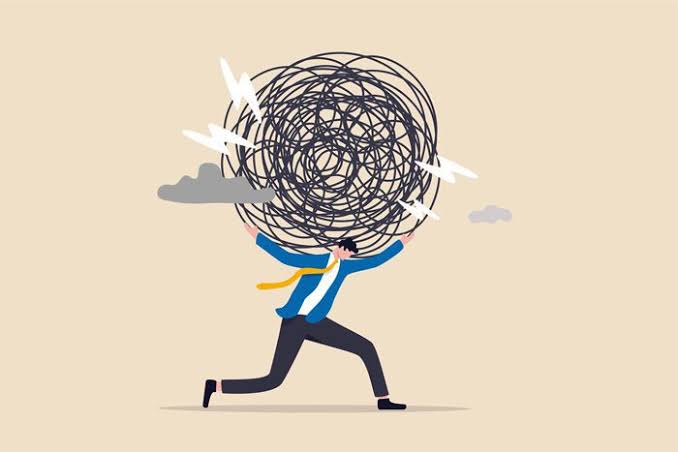
One of the biggest misconceptions about anxiety is that it reflects a lack of mental strength.
Mental health professionals disagree.
Many people experiencing anxiety are high achievers, responsible workers, students, parents and caregivers.
The issue is not weakness.
It is recognising when the body's stress response is no longer switching off as it should.
The Bottom Line
Worry is part of being human.
Anxiety, however, can become something more significant when it begins affecting how a person thinks, feels and functions.
Understanding the difference is important because support is available.
Sometimes the hardest step is not treatment.
It is acknowledging that what you are experiencing deserves attention.
References
- World Health Organization (WHO) – Mental Health and Wellbeing Resources.
- WHO Malaysia – Mental Health and Workplace Wellbeing Initiatives.
- National Health and Morbidity Survey (NHMS) 2023 – Mental Health Findings.
- Centers for Disease Control and Prevention (CDC) – Anxiety and Mental Health Resources.